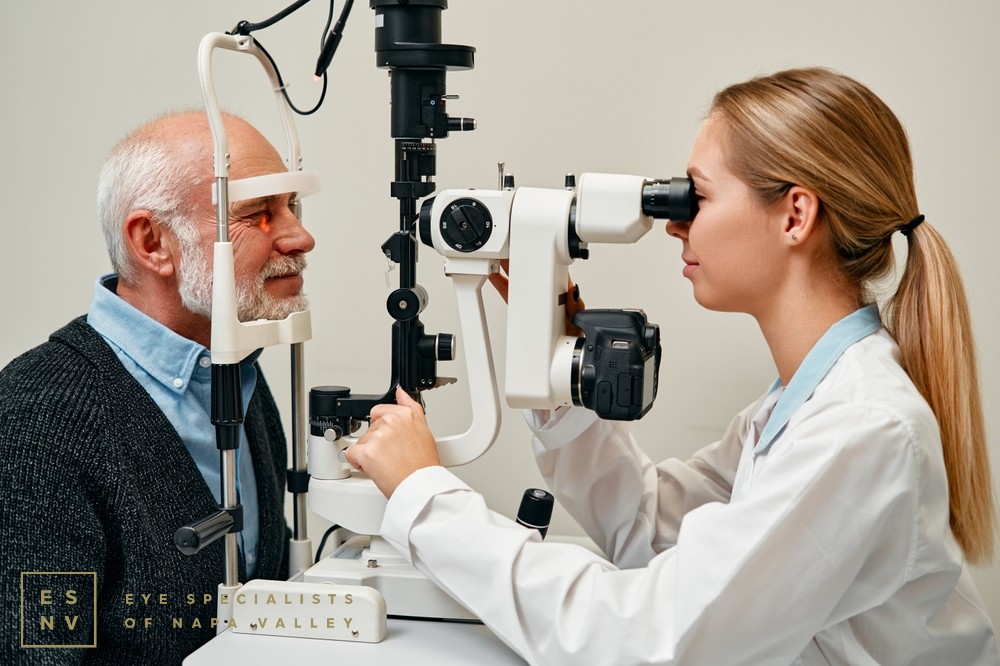

Most people walk into an eye exam expecting to read a few lines on a wall chart, get an updated prescription, and head home. But a comprehensive eye exam covers far more ground than that. Your eye doctor is evaluating the health of your entire visual system and screening for conditions that often develop without noticeable symptoms.
At Eye Specialists of Napa Valley, our board-certified ophthalmologists and optometrists perform detailed evaluations designed to catch problems early, when treatment is most effective. Keep reading to learn more about what happens during each part of a comprehensive eye exam, and why this testing matters.
1. Visual Clarity
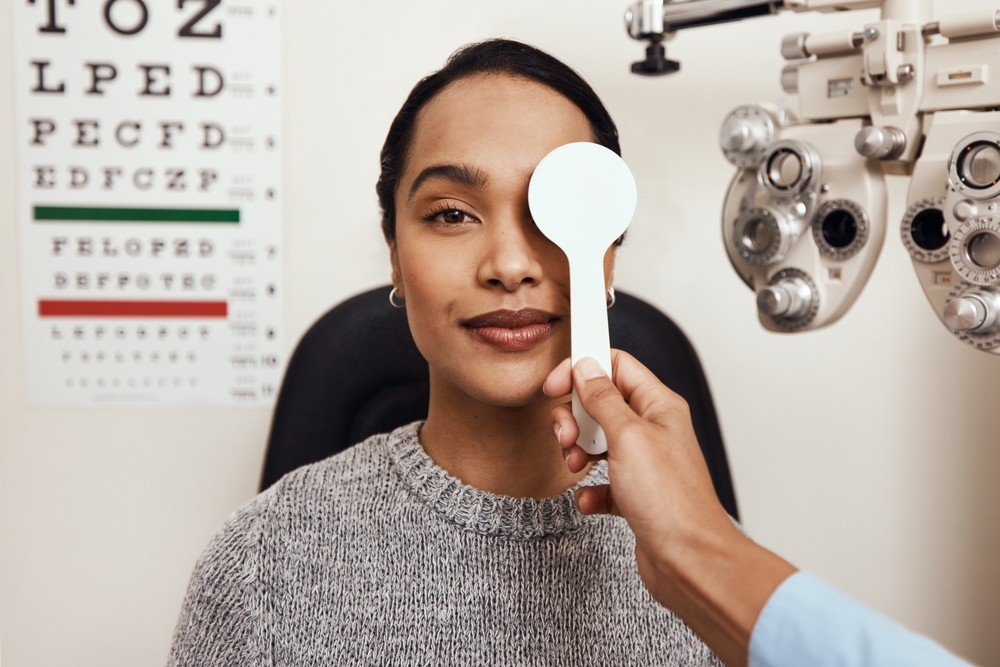
The portion of the exam most people recognize is the visual acuity test. You’ll read letters on a chart placed at a set distance, and your eye doctor will record how well each eye sees independently and together. This gives a baseline measurement of your central vision.
From there, the refraction test fine-tunes the results. This is the familiar “which is better, one or two?” sequence, where your eye doctor flips through lens options to find the combination that gives you the sharpest possible vision.
The result determines whether you have a refractive error such as nearsightedness (myopia), farsightedness (hyperopia), or astigmatism, and what prescription will correct it.
While this step feels routine, it also helps your eye doctor track changes over time. A sudden shift in prescription can sometimes point to other developing conditions, including early cataracts or uncontrolled blood sugar.
2. Eye Pressure
During a comprehensive exam, your eye doctor will measure the pressure inside your eyes using a test called tonometry. You may feel a brief puff of air or a gentle touch against the surface of your eye, depending on the method used.
This measurement matters because elevated intraocular pressure (IOP) is one of the primary risk factors for glaucoma, a group of diseases that damage the optic nerve. According to the National Eye Institute, glaucoma affects more than 3 million Americans, and roughly half of them don’t know they have it.
The condition typically causes no pain and no early vision changes, which is why pressure screening during a routine exam is one of the best ways to detect it before permanent damage occurs.
3. Dilation
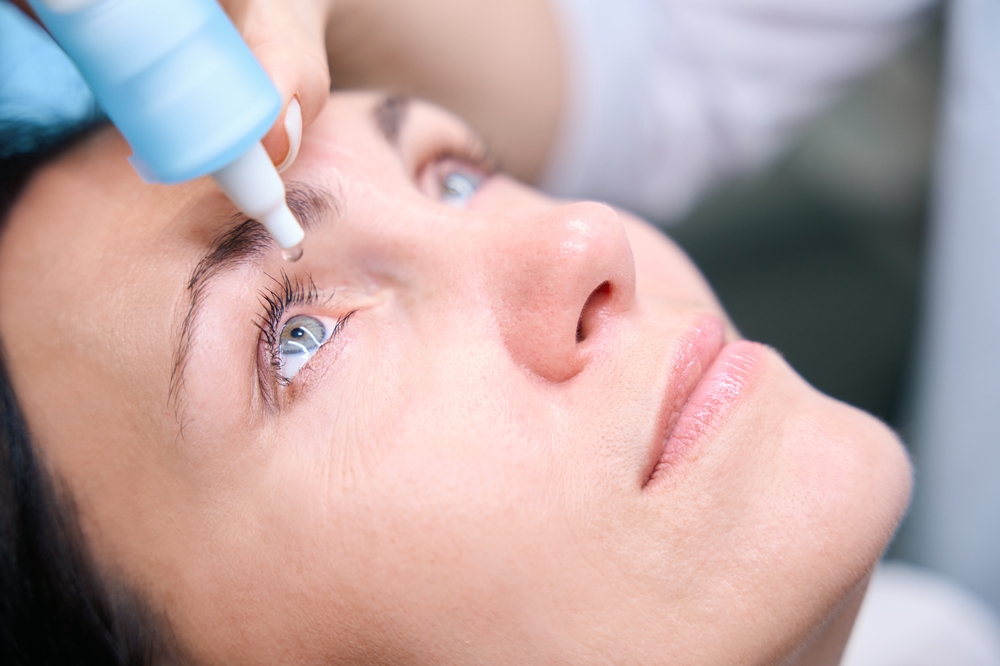
Dilation is the part of an eye exam that makes your vision temporarily blurry and your eyes sensitive to light, but it gives your eye doctor an essential view of structures at the back of the eye. Special drops widen your pupils so your eye doctor can examine the retina, optic nerve, and blood vessels in detail using magnified instruments.
This is one of the most informative parts of a comprehensive exam. Small changes in the appearance of blood vessels, the optic disc, or the retinal tissue can signal conditions that haven’t yet caused symptoms.
Your eye doctor looks for specific signs during this evaluation, including:
- Thinning or swelling of the macula, which may indicate age-related macular degeneration
- Damage to retinal blood vessels caused by diabetes (diabetic retinopathy)
- Retinal tears or detachments, which can cause sudden vision loss if untreated
- Changes in the optic nerve head that suggest glaucoma progression
Many of these conditions develop gradually, and a dilated exam is often the first place they show up. For patients over 60, or those with diabetes or a family history of eye disease, the American Academy of Ophthalmology recommends a dilated eye exam at least every 1 to 2 years.
4. Slit-Lamp Exam
Using a slit lamp (a specialized microscope with a bright, thin beam of light), your eye doctor examines the lens of each eye for cataracts or other changes. Cataracts are a common eye condition that occurs when proteins in the lens break down and clump together, typically over years.
Many patients are surprised to learn their eye doctor can spot early cataract formation long before they experience any visual symptoms. In the early stages, cataracts may cause subtle changes like increased glare at night or a slight yellowing of colors.
The slit lamp exam allows your eye doctor to document the size and location of lens changes and monitor them over time, so you and your care team can plan for when treatment becomes appropriate.
5. Evaluating the External Structures of the Eye
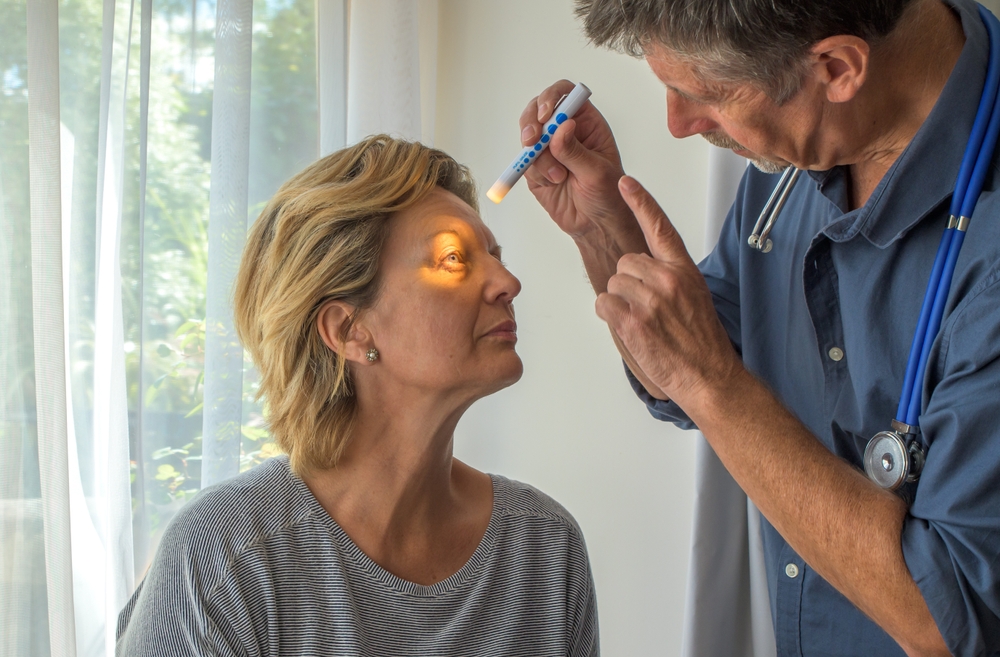
A comprehensive exam also includes a careful look at the external structures of the eye: the eyelids, lashes, cornea, iris, and the tear film that keeps the eye’s surface moist and protected. Your eye doctor checks for signs of inflammation, infection, dryness, and abnormal growths.
These structures may seem minor compared to the retina or optic nerve, but they are your eyes’ first line of defense. Chronic eyelid inflammation, for example, can contribute to dry eye symptoms and blurred vision over time. Corneal irregularities may affect how light enters the eye and can sometimes indicate underlying conditions that need monitoring.
6. Screening for Systemic Health Conditions
What many patients find surprising is that an eye exam can also reveal clues about conditions elsewhere in the body. The blood vessels in the retina are among the only blood vessels a doctor can observe directly without surgery. Changes in those vessels can be early indicators of diabetes, high blood pressure, and even certain autoimmune conditions.
Your eye doctor may be the first to notice these warning signs, sometimes before a primary care physician does. This is one of the reasons the specialized team at ESNV emphasizes routine comprehensive exams for all patients, even those who feel their vision is fine.
Protecting Your Vision Starts With a Thorough Exam
A comprehensive eye exam is one of the most effective tools available for catching vision problems and systemic health issues early. Each test your eye doctor performs, from checking your prescription to examining the optic nerve, adds another layer of information about your overall well-being.
Overdue for a comprehensive eye exam or noticing changes in your vision? Schedule an appointment at Eye Specialists of Napa Valley in Napa, CA, today!