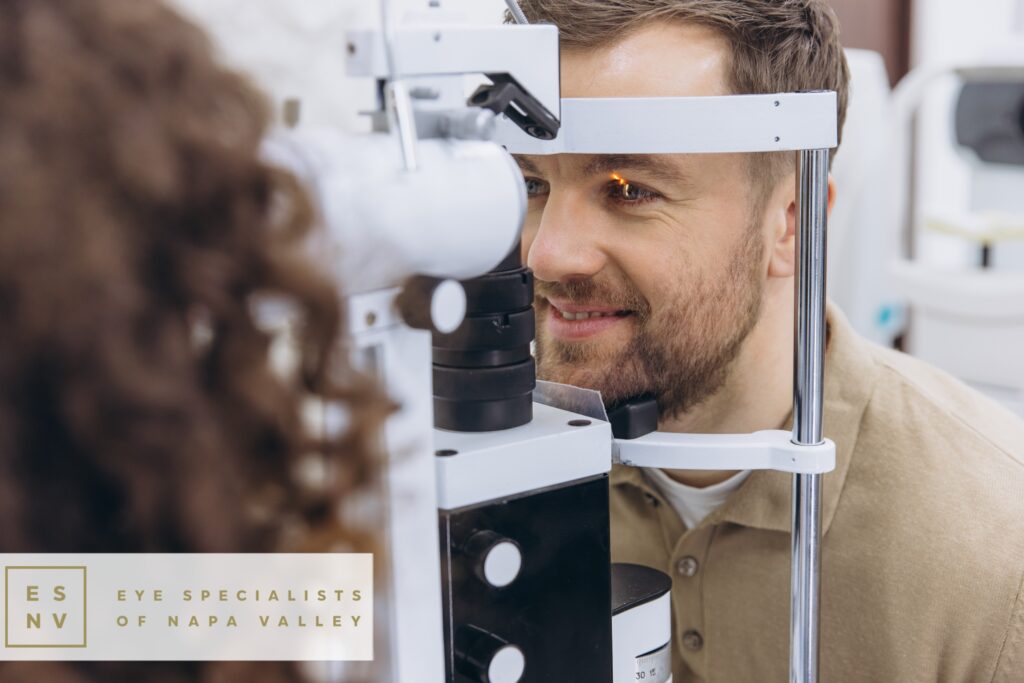

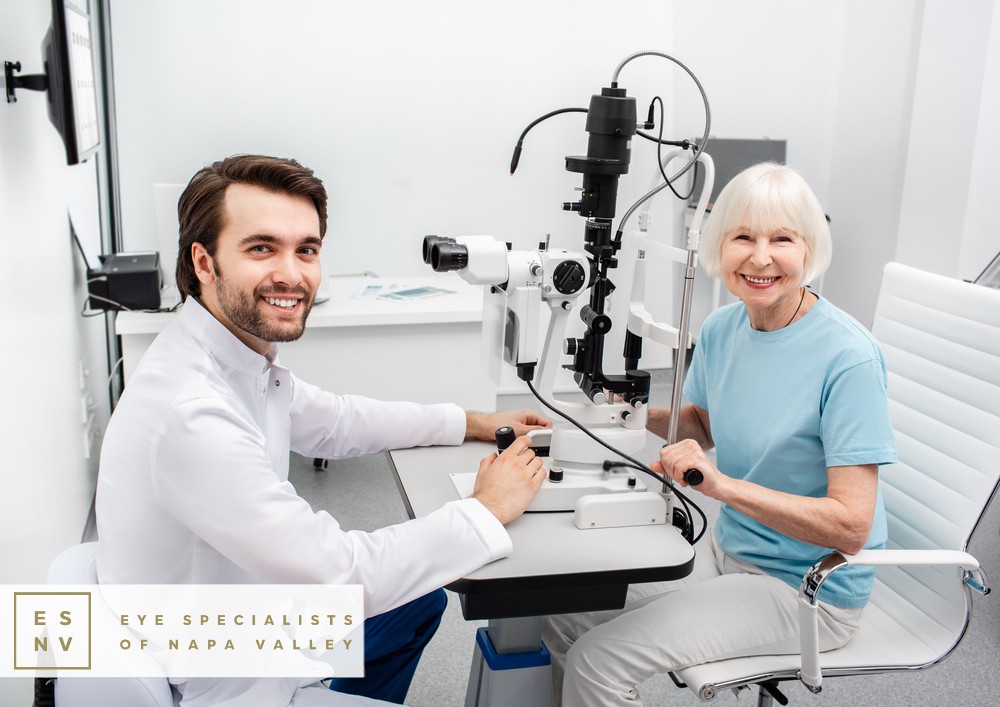
Glaucoma often develops without pain or obvious changes in vision, so many people do not realize they have it until the optic nerve is already damaged. Because of this, glaucoma screening is different from other types of eye care. You should not wait for symptoms. Instead, regular screenings are part of routine eye exams at Eye Specialists of Napa Valley to help catch the disease early.
How often you need glaucoma screenings depends on your age, family history, and other risk factors. Keep reading to learn more about how to maintain a good glaucoma screening schedule, and why these exams are crucial to your vision.
What Happens During a Glaucoma Screening?
Glaucoma is a common eye condition in which elevated intraocular pressure (IOP) damages the optic nerve over time, leading to irreversible vision loss. The challenging part about glaucoma is that it often has no symptoms in the early stages, with vision changes only appearing once the damage is permanent.
However, by attending regular glaucoma screenings, your eye doctor can spot even the smallest changes before they begin to affect your vision, ensuring prompt treatment to slow or stop the progression of glaucoma.
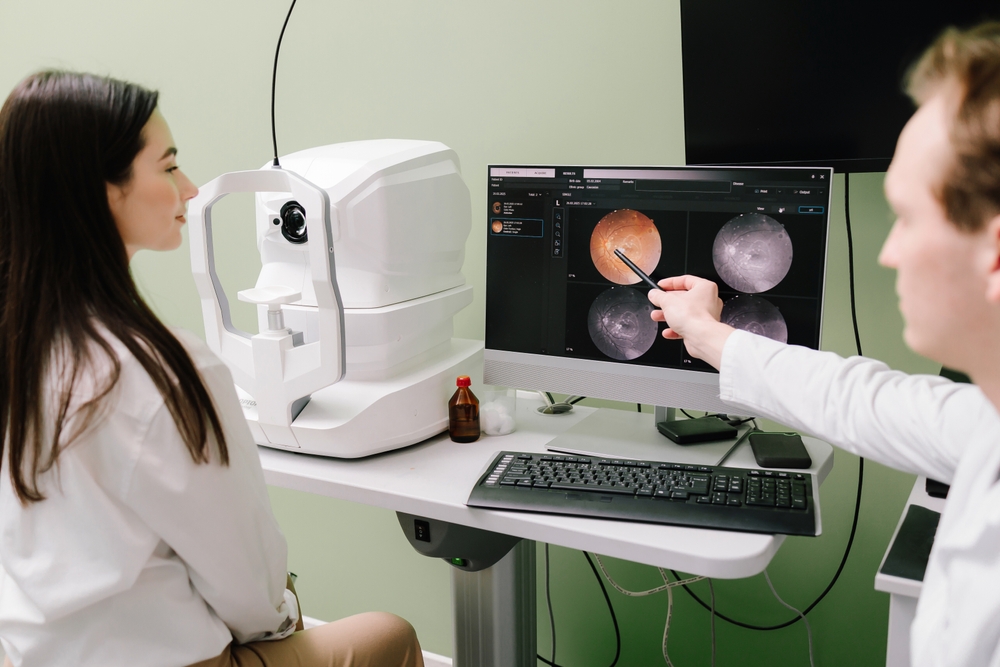
During the exam, your eye doctor checks the pressure inside your eye with a test called tonometry, looks at the optic nerve for any thinning or unusual color, and tests your side vision, where vision loss from glaucoma tends to show up first. Some patients also undergo imaging to obtain a detailed picture of the nerve fiber layer, which can show damage before it appears on a regular exam.
If you have had a comprehensive eye exam before, these steps will seem familiar because they are part of routine testing. Glaucoma screening works best as a regular part of eye care, since your eye doctor needs a baseline to spot any important changes over time.
General Screening Guidelines by Age
The American Academy of Ophthalmology recommends exam frequency based on age because the risk of glaucoma increases as you get older. Adults under 40 with no risk factors usually need a comprehensive eye exam every five to ten years.
For adults aged 40 to 54, exams every 2 to 4 years are recommended, since risk rises during this age range. Adults aged 55 to 64 should have an exam every one to three years.
After age 65, yearly or every-other-year exams are recommended, since age is a strong risk factor for glaucoma. These time frames are guidelines, not strict rules. Your eye doctor may suggest more frequent exams depending on your individual needs.
Risk Factors That Call for More Frequent Screening
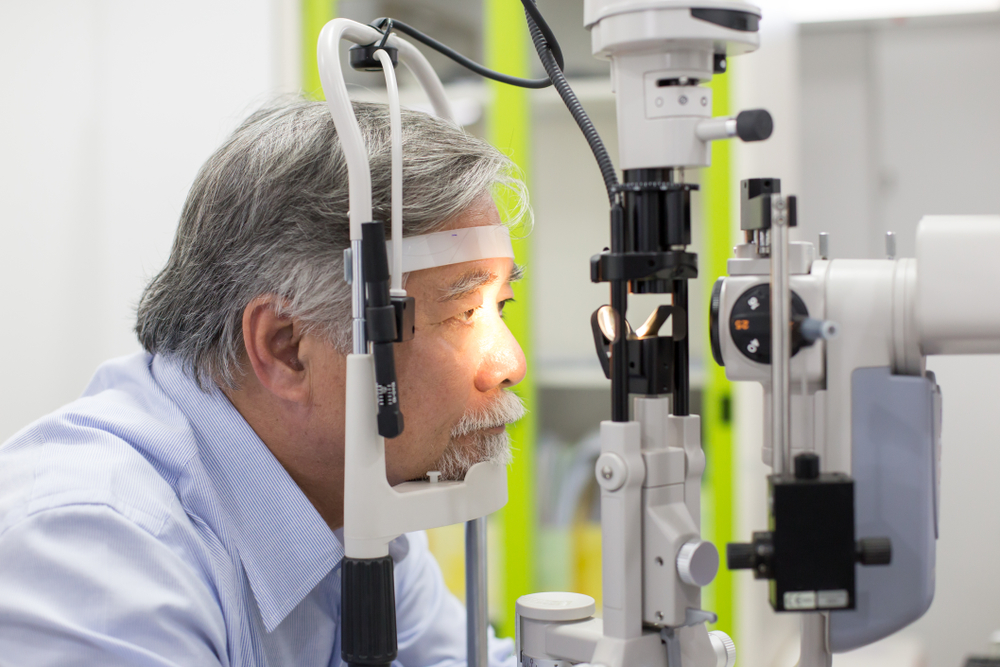
Some factors mean you need more frequent glaucoma screenings, no matter your age. If you have a family history of glaucoma, especially in a parent or sibling, your risk is about twice as high, so yearly screenings may be needed earlier than usual.
People with diabetes, a past eye injury, or long-term use of corticosteroid medicines also have a higher risk. If your eye pressure is higher than normal, even if there is no nerve damage yet, your doctor will want to monitor you more closely rather than wait.
Race and ethnicity also play a role. Research from the National Eye Institute shows that Black and Hispanic adults get glaucoma more often and at younger ages than others.
Because of this, many eye doctors recommend starting screenings in your 30s rather than your 40s if you are in these groups. If any of these factors apply to you, the team at Eye Specialists of Napa Valley can provide glaucoma monitoring that fits your personal risk.
Why Early Detection Matters
Vision lost to glaucoma cannot be restored. Damage to the optic nerve causes permanent loss of side vision, which is why regular screening is so important. If glaucoma is detected early, when intraocular pressure is high, but the optic nerve is still healthy, there are more treatment options and better long-term outcomes. Eye drops to lower pressure are usually the first treatment, and your doctor can adjust your medication as they monitor your eye pressure and nerve health at each visit.
What If You’re Diagnosed With Glaucoma?

Once you are diagnosed with glaucoma, the focus shifts from prevention to managing the condition. Instead of exams every few years, most patients need check-ups every three to six months so the doctor can see if treatment is keeping eye pressure steady.
If eye drops are not enough, or if using them every day is difficult, selective laser trabeculoplasty is a minimally invasive option that can help the eye drain fluid better and may reduce the need for medication. The best monitoring and treatment plan depends on how your case responds, so follow-up schedules vary from person to person.
Building Glaucoma Screening Into Your Eye Care Routine
There is no single answer for how often you should be screened for glaucoma. The right schedule depends on your age, family history, and any other risk factors your eye doctor finds during an exam. The most important thing is to have screenings on time, since regular eye exams can catch glaucoma long before symptoms appear. If it has been a while since your last exam, or if you are not sure which schedule is right for you, an eye doctor can review your history and recommend a plan that matches your real risk.
Is it time for your next glaucoma screening? Schedule an appointment at Eye Specialists of Napa Valley in Napa, CA, today!